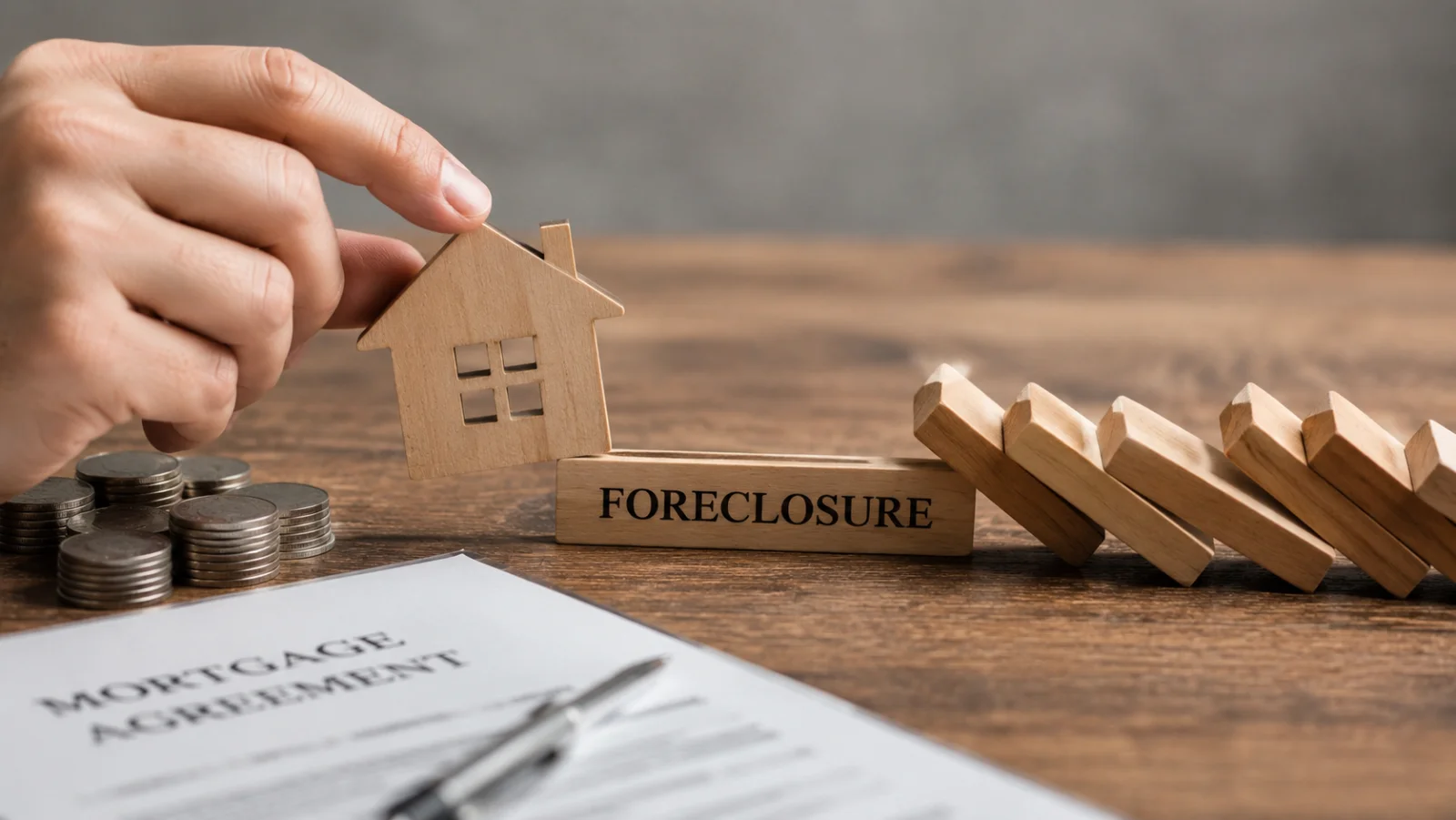









If you've fallen behind on your Florida mortgage, you have more time and more options than the certified letters make it feel like. Florida is a judicial foreclosure state, which means the lender has to sue you in court — and that process typically takes 8 to 14 months from the first missed payment to a foreclosure auction.
That timeline is your runway. The earlier you act, the more options you have — and a clean exit (even one that pays you less than market) usually beats letting the home go to auction and dealing with the aftermath. This guide walks through exactly where you stand at each stage and what your real options look like.
The Florida foreclosure timeline
Here's roughly how a Florida foreclosure unfolds. Exact timing varies by county and court backlog, but these are realistic averages:
- Day 1–30 (missed payment). The lender records the late payment. Late fee assessed. Nothing public yet.
- Day 30–90 (delinquency). The lender's loss-mitigation team starts calling. This is the cheapest, easiest window to negotiate a loan modification, forbearance, or repayment plan.
- Day 90–120 (Notice of Default / "demand letter"). Federal law (Dodd-Frank) requires the lender to send a formal demand letter giving you a minimum of 30 days to cure the default before they can file suit.
- Month 4–5 (Lis Pendens filed). The lender files a foreclosure lawsuit in your county circuit court and records a Lis Pendens ("notice of pending action") against the property. This is the first public step — it'll show up on title searches and credit reports. You can still sell the home at this stage.
- Month 5–8 (litigation). You're served. You have 20 days to file a written answer. If you don't answer, the court enters a default judgment and moves toward sale. If you do answer, the case can drag on for 6+ months in contested cases.
- Month 8–12 (final judgment). If the lender wins, the court issues a Final Judgment of Foreclosure setting a sale date — typically 30 to 45 days out.
- Month 9–14 (foreclosure auction). The home is sold at the county courthouse (or online — most Florida counties now use the RealForeclose.com platform) to the highest bidder. The lender usually bids the judgment amount.
- After the sale (right of redemption). Under Florida law, you have until the sale is officially confirmed by the court (typically 10 days after auction) to pay the full judgment + costs and reclaim the property. After confirmation, ownership transfers and you'll have a short window to vacate.
The single most important thing to understand: until the sale is confirmed by the court, you still own the home — and you can still sell it.
What you can do at each stage
Your options narrow as you get closer to auction, but you always have some:
- Stage 1 (30–90 days late): Loan modification, forbearance, repayment plan, refinance (if equity + credit allow). Lender wants this — foreclosure is expensive for them too.
- Stage 2 (Notice of Default → Lis Pendens): All Stage 1 options still on the table, plus you can list the home traditionally if you have time and equity, or accept a cash offer. The Lis Pendens doesn't prevent you from selling — it just notifies buyers there's a pending lawsuit (which the title company resolves at closing by paying off the mortgage).
- Stage 3 (lawsuit filed, before judgment): Listing becomes risky because of timeline. Cash sale is the most reliable exit. Short sale possible but requires lender approval (slow). Bankruptcy (Chapter 13) can pause the foreclosure if you have stable income to pay arrears over 3–5 years.
- Stage 4 (after final judgment, before sale): Cash sale is realistically your only fast option. The closing has to happen before the auction date. Bankruptcy filing the day before auction will stop the sale temporarily but creates a much bigger problem long-term.
- Stage 5 (after auction, before confirmation): Right of redemption — pay the full judgment plus costs. Realistically only an option if you've come into money or have a buyer ready to close immediately.
Short sale vs. cash sale — what's the difference?
Both are ways to sell when you're behind on the mortgage. They're not the same.
Short sale = the lender agrees to accept less than what you owe to release the lien. Required when the home is worth less than the loan balance ("underwater"). Process: list the home, get an offer, submit the offer to the lender for approval, wait 30–90+ days for their decision. Often the buyer walks away during the wait. Pro: lender forgives the deficiency in most cases. Con: slow, uncertain, hard to time before the auction.
Cash sale at full payoff = you sell to a cash buyer at a price high enough to pay off the mortgage in full, with money potentially left for you. Process: get an offer, sign a contract, close in 7–21 days. The title company pays off the mortgage directly from sale proceeds. Pro: fast, certain, you might walk away with cash. Con: requires the home to have at least enough value to cover the loan.
If you have equity (the home is worth more than you owe), a cash sale is almost always the better path when foreclosure is looming. The lender gets paid in full, your credit takes a much smaller hit than a foreclosure judgment, and you may pocket the difference.
Selling for cash before the auction
When the auction date is close, speed and certainty matter more than getting the absolute top price. Here's how the cash-sale path typically runs when foreclosure is involved:
- Get a payoff statement. Call your lender's loss-mitigation department and request a 30-day payoff figure (total owed including arrears, late fees, attorney costs). This is the floor your sale price needs to clear.
- Get a cash offer. A serious cash buyer will quote within 24–48 hours after seeing the property. Make sure the offer covers your payoff plus closing costs.
- Sign + open title. The title company orders an updated payoff and runs a lien search. They'll see the Lis Pendens and any other judgments.
- Close. At closing, the title company wires the payoff to your lender, the lender releases the lien, and the foreclosure case gets dismissed. Any remaining funds go to you.
Total timeline: usually 10–21 days from offer to closing. If the auction is closer than that, work with a buyer who has handled time-sensitive foreclosure closings before — they can sometimes expedite further or coordinate with the lender's attorney to delay the sale by a few days while paperwork wraps up.
Florida deficiency judgments — what to know
If your home sells at auction (or via short sale) for less than what you owe, the lender can sometimes pursue you personally for the difference. This is called a deficiency judgment.
- Florida lenders have one year after a foreclosure sale to file for a deficiency judgment (per FL Statute § 95.11(5)(h), shortened from five years in 2013).
- The deficiency is capped at the difference between the loan balance and the home's fair market value on the sale date (not the auction price, which is often lower).
- Some loans are non-recourse in practice — FHA, VA, and most modern primary-residence loans are rarely pursued for deficiency. Investment property loans and HELOCs almost always are.
A clean cash sale that pays off the full balance eliminates deficiency risk entirely. That alone is worth a percent or two off market price for many sellers facing this.
How each exit affects your credit
Approximate FICO score impact (varies by your starting score and credit profile):
- Foreclosure judgment — 100–160 point drop. Stays on credit report 7 years. Most damaging of all options.
- Short sale (with deficiency forgiven) — 60–130 point drop. Stays 7 years. Less damaging than foreclosure but still significant.
- Deed in lieu of foreclosure — 50–125 point drop. Stays 7 years.
- Cash sale before foreclosure — minimal direct hit. The missed payments leading up to it (typically 30/60/90-day lates) each cost ~30–60 points; the sale itself doesn't add to that.
- Bankruptcy Chapter 13 — 130–200+ point drop. Stays 7–10 years.
Two years after a foreclosure or short sale, most homeowners can qualify for an FHA loan again. After a cash sale, you may be eligible immediately if your other credit is intact.
Step-by-step: what to do this week
- Find out exactly where you are in the process. Check your county Clerk of Court's online records for any Lis Pendens or filings against the property. Call your lender's loss-mitigation department for current arrears.
- Get a payoff statement and a home valuation. Compare the two — if payoff is less than market value, you have equity, and a cash sale should net you money.
- If you have stable income, ask the lender about loan modification or forbearance. This is free to request and can buy 3–6 months while you decide.
- Get at least one cash offer. Even if you plan to try modification, having an offer in hand lets you make an informed decision and acts as a fallback if the lender says no.
- If the auction date is set, act this week. Closings on foreclosure properties typically take 10–21 days. Don't wait for the auction notice.
- Talk to a Florida foreclosure attorney if there are any complications (multiple liens, HOA judgments, contested foreclosure, possible deficiency exposure). Many offer free initial consultations.
Frequently asked questions
How many missed payments before foreclosure starts in Florida?
The lender legally can't file the foreclosure lawsuit until they've sent a formal demand letter giving you a chance to cure (under Dodd-Frank rules). In practice, most lenders don't file until you're 90–120 days past due, and many wait 5–6 months.
Can I sell my house after the foreclosure case is filed?
Yes — until the sale is confirmed by the court (typically a few days after the auction), you still own the property and can sell it. The title company resolves the pending lawsuit at closing by paying off the mortgage.
What if I owe more than the house is worth?
You're underwater. Options narrow to short sale (slow, requires lender approval) or deed in lieu of foreclosure. A cash buyer can sometimes still help by negotiating a short payoff directly with the lender, but this is case-by-case.
Can the lender take my other assets if the house sells for less than I owe?
Only via a deficiency judgment, which they have one year to pursue after the sale. Florida has homestead and head-of-household protections that shelter many assets even if a deficiency judgment is entered. Talk to an attorney about your specific exposure.
Will selling stop the foreclosure case?
Yes. When the mortgage is paid off in full at closing, the lender files a dismissal of the foreclosure case with the court. The Lis Pendens is released.
How fast can a cash sale really close when foreclosure is pending?
10–21 days is typical. We've closed in as few as 7 days when the auction was imminent and the title work cooperated.
Facing foreclosure in Central Florida?
We've stopped auctions in Polk, Orange, Osceola, Lake, Seminole, and Volusia counties. Cash offer in 24 hours, close in 7–14 days, mortgage paid off in full — no judgment, no deficiency, no auction.
Get a Cash Offer →